How Jamaica, New York Homeowners Can Make the Most of Their Solar Potential
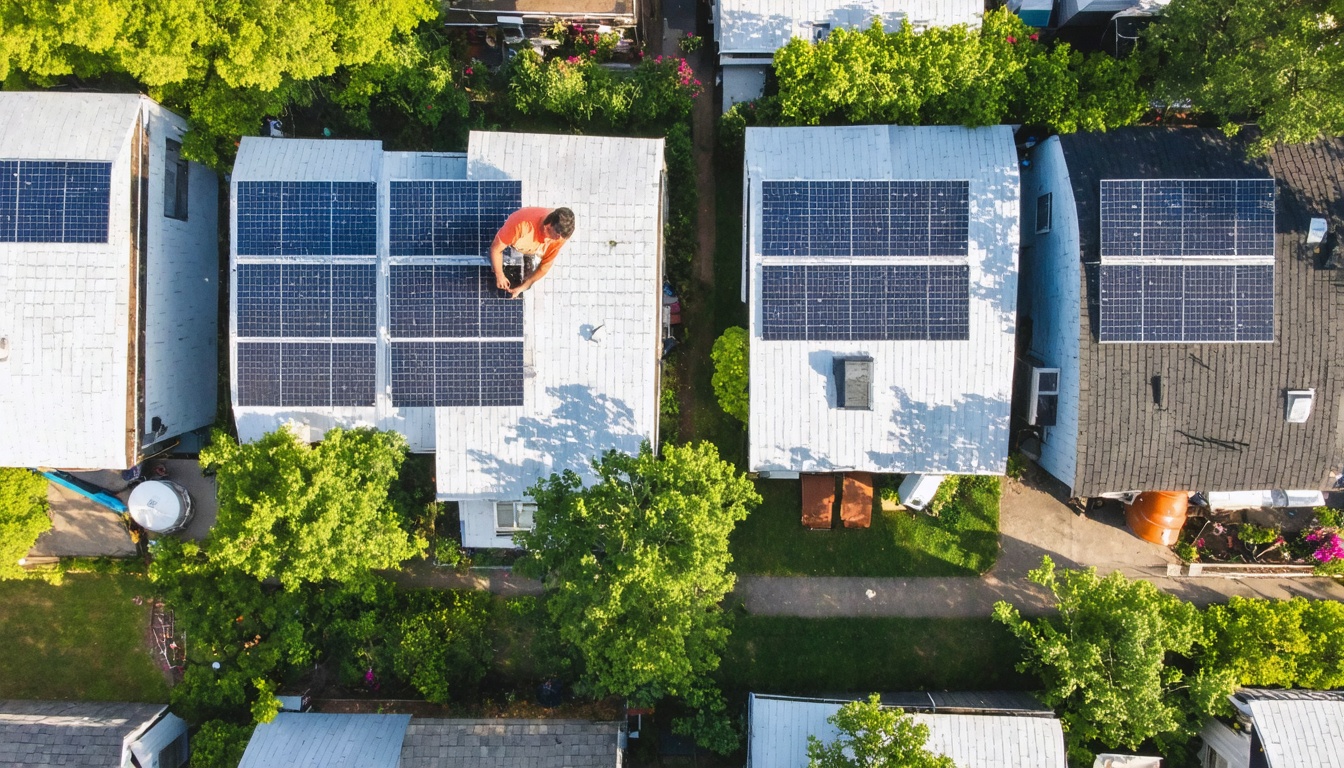
If you own a home in Jamaica, New York, there is a potential to reduce your energy costs, increase your property value, and contribute to environmental sustainability through solar power. Solar energy systems involve more than just the installation of panels on rooftops; they encompass a range of incentives, diverse installation options, and various long-term advantages that deserve careful consideration. One key aspect to recognize is the financial incentives available. Homeowners may be eligible for federal tax credits, state rebates, and local programs aimed at fostering renewable energy use. Researching these incentives can provide a clearer picture of the potential return on investment. When evaluating installation options, it's essential to assess factors like system size, orientation, and shading from surrounding structures. Each of these elements can significantly impact the efficiency and overall performance of the solar energy system. Additionally, homeowners must decide between purchasing a system outright, financing through loans, or entering power purchase agreements (PPAs), all of which come with different financial implications. In terms of long-term benefits, solar energy can lead to decreased utility bills, providing substantial savings over time. Homeowners also frequently find that properties equipped with solar energy systems may have a higher resale value, an important consideration for future financial planning. Before proceeding with solar installation, it is crucial to conduct a detailed analysis of how these factors influence your investment and daily life to make an informed decision.
Understanding the NY-Sun Program Benefits
Homeowners in Jamaica, New York, may consider the NY-Sun program as a practical option for adopting solar energy. This initiative offers various financial incentives, including upfront rebates and tax credits, which can effectively lower the overall costs of solar panel installation. By participating in the program, homeowners can access NYSERDA-backed rebates designed to reduce installation expenses.
Furthermore, the program includes a property tax abatement specifically for New York City residents, which can help mitigate the financial impact of investing in solar energy.
Another significant aspect of the NY-Sun program is net metering, which allows homeowners to earn credits on their Con Edison bills for any excess electricity their solar panels produce. This feature can improve the economic viability of solar energy systems.
Homeowners are encouraged to work with approved contractors to ensure compliance with state standards during installation, which can enhance both safety and efficiency.
The NY-Sun program provides a structured approach and resources that support the installation of solar projects for both residential and commercial purposes, contributing to the broader aim of increasing renewable energy use in the region.
Exploring Solar Energy Options in Jamaica
When assessing solar energy options in Jamaica, it is crucial to examine the various installation models that accommodate different financial circumstances and property types. Roof-mounted solar panel systems are commonly utilized for residential solar projects. These systems may qualify for various incentives and rebates from governmental programs, though it is essential to verify the specifics of any applicable local or national initiatives.
Specialized contractors offer solar energy installation services for both residential and commercial properties in the region. A significant consideration in the implementation of solar energy is net metering, which enables energy consumers to receive credits on their utility bills by supplying excess electricity back to the grid. This mechanism can lead to reduced overall energy costs, facilitated by the local utility providers.
Moreover, community resources exist to help homeowners navigate the process of transitioning to solar energy. These resources typically cover critical topics such as structural requirements for roofing, implications for property taxes, and the specific conditions of use associated with solar installations.
Homeowners contemplating solar energy for their residences are encouraged to seek further information and guidance that is aligned with their individual situations.
Assessing Financial Incentives and Savings
Maximizing the financial advantages of solar energy in Jamaica, New York, requires an understanding of various incentives and financing options available to homeowners, including resources like https://solarpanelsjamaicanewyork.com/. The New York State Energy Research and Development Authority (NYSERDA) offers rebates that can lower installation costs significantly, in conjunction with federal and state tax incentives which further enhance affordability.
Additionally, the NYC Property Tax Abatement program can alleviate some of the financial burden associated with solar installations by reducing property tax liabilities.
Net metering, provided by Con Edison, is another important aspect, as it allows homeowners to receive credits for any excess energy their solar systems produce. This mechanism can lead to lower monthly electricity expenses and contribute to long-term savings.
Financing options such as $0-down lease agreements and prepaid lease arrangements increase accessibility to solar technology by removing the necessity for initial capital outlay. It is essential, however, for homeowners to consult qualified contractors to evaluate whether their roofs are suitable for solar panel installation, as proper assessment is crucial for a successful deployment.
In summary, transitioning to solar energy offers financial benefits to individual homeowners, while also fostering environmentally sustainable practices that may have a positive effect on the local community and economy.
Selecting the Right Solar Provider
Choosing a reliable solar provider is crucial for ensuring a successful installation and optimizing the performance of your solar energy system.
In Jamaica, New York, potential contractors include Solar Pro, which is known for its service reliability, comprehensive warranties, and experience with residential solar projects. It is important to confirm that the installer is licensed, insured, and has NABCEP certification, as these credentials are associated with quality installation practices.
Also, consider providers that have experience in handling NYSERDA rebates, state solar incentives, and relevant NYC property tax documentation. Their familiarity with these aspects can simplify the financial components of your solar investment.
When selecting solar panels, it is advisable to choose products from tier-one manufacturers, as they typically provide higher long-term energy reliability and performance.
Whether your solar initiative is aimed at commercial or community use, choosing the right partner is essential for effectively harnessing the solar potential of each installation site.
By making decisions based on established criteria, stakeholders can improve the likelihood of success in their solar energy endeavors.
Enhancing Property Value with Solar Installations
Incorporating solar installations can lead to a reduction in utility expenses and an increase in property value, particularly in areas such as Jamaica, New York. Research indicates that homes equipped with solar panels sell for approximately 4.1% more than those without, indicating a market preference for properties with energy-efficient features.
County-wide trends suggest that homebuyers are increasingly prioritizing energy efficiency and cost reduction. This shift is influenced by various financial incentives, including NYSERDA rebates, state solar incentives, and net metering programs provided by Con Edison, which make solar installations more financially viable.
It is essential for property owners to engage qualified contractors to ensure effective and high-quality installation for both residential and commercial solar projects. This professional involvement is critical in maximizing the benefits of solar energy systems.
Furthermore, the growing demand for solar power reflects a broader trend towards eco-friendly practices among both community members and businesses. Properties that utilize sustainable energy sources may enhance their market appeal, consistent with New York’s commitment to environmental sustainability.
Therefore, property owners considering solar installations may find that these enhancements provide both environmental benefits and potential improvements in investment value.
Achieving Energy Independence through Solar
As energy consumption rises and utility costs vary, solar power offers a practical solution for homeowners in Jamaica aiming for energy independence. By installing solar panels on rooftops, homeowners can generate their own electricity, which reduces reliance on traditional utility companies such as Con Edison and can provide a more consistent cost structure.
The integration of battery storage systems can further optimize the advantages of solar energy. These systems enable homeowners to access electricity during outages, a particularly important factor in urban areas like New York City and its neighboring counties.
Financial incentives available through programs such as the New York State Energy Research and Development Authority (NYSERDA) can significantly reduce the upfront costs associated with residential and commercial solar installations.
Moreover, net metering policies allow homeowners to sell any surplus energy generated back to the grid, creating a potential income stream and supporting overall community energy resilience.
To ensure the effective implementation of solar energy systems, it is recommended to engage certified professionals who specialize in solar installations. This practice helps to guarantee that systems are accurately designed and effectively integrated, contributing to optimal performance and enduring benefits for property owners.
In summary, investing in solar energy is a sound approach to achieving energy independence while also addressing broader community and environmental objectives.
Addressing Maintenance and Longevity of Solar Systems
Solar panels require a maintenance plan to optimize their efficiency and longevity. While often viewed as low-maintenance, regular oversight is necessary to ensure their continued performance. After the installation of solar power systems by certified professionals in New York City, it is advisable to conduct routine inspections to identify any emerging issues early.
Organizations such as the New York State Energy Research and Development Authority (NYSERDA) and Con Edison recommend annual inspections for solar panels and roofing systems. Adhering to proper installation methods, along with regular cleaning and maintenance, can lead to lower operational expenses and can extend the functional lifespan of residential solar installations to over 25 years.
Additionally, both businesses and residents can benefit from these maintenance practices through mechanisms such as net metering and various solar incentives, including grants and rebates provided by state and island programs.
These approaches not only safeguard the initial investment but may also result in reductions in property tax liabilities and improvements in overall energy efficiency.
Conclusion
Adopting solar energy in Jamaica, NY, can lead to reduced energy expenses and potentially increase the value of your home. It also supports environmental sustainability by lowering greenhouse gas emissions. Homeowners should consider several factors when exploring solar installation options. Understanding various system types, such as rooftop solar panels and ground-mounted arrays, is essential to determine which is most suitable for your property. Financial incentives, such as state and federal tax credits, grants, and rebates, can significantly offset the initial investment in solar technology. Utilizing available resources to assess these financial options can lead to informed decisions regarding system size, financing methods, and overall affordability. Working with established and reputable solar providers is crucial. Researching local contractors' experience and customer reviews helps ensure quality installation and service. Additionally, proactive maintenance of solar systems is necessary for maximizing efficiency and extending their operational lifespan. Local programs and community support play a role in facilitating solar adoption. Resources such as educational workshops, financing initiatives, and cooperative purchasing arrangements can aid homeowners in overcoming barriers to installation. By considering these aspects, homeowners in Jamaica, NY, can effectively manage their energy consumption and take a step towards renewable energy utilization.